
Table of Contents
- Lane Health Blog | Louisiana Hospital Blog
- The New National Immunisation Schedule | CodeBlue
- Immunisations – The Butterfly Clinic
- Ministry of Health celebrates childhood immunization data - World Stock ...
- Immunizations | PLC Default Board Post Page
- Vaccinations and immunisations – HealthEd
- CDC Issues Guidance on Immunizations During Pandemic | AAFP
- Types of immunisations | Swan Hill Rural City Council
- parentsavenue: FAQ About VACCINATIONS
- Stay Protected with Important Immunizations - Proactive MD

What are Vaccines and How Do They Work?

Types of Vaccines

Why are Vaccines Important?
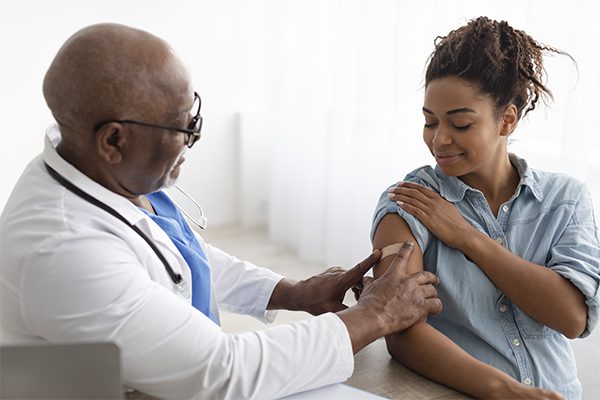
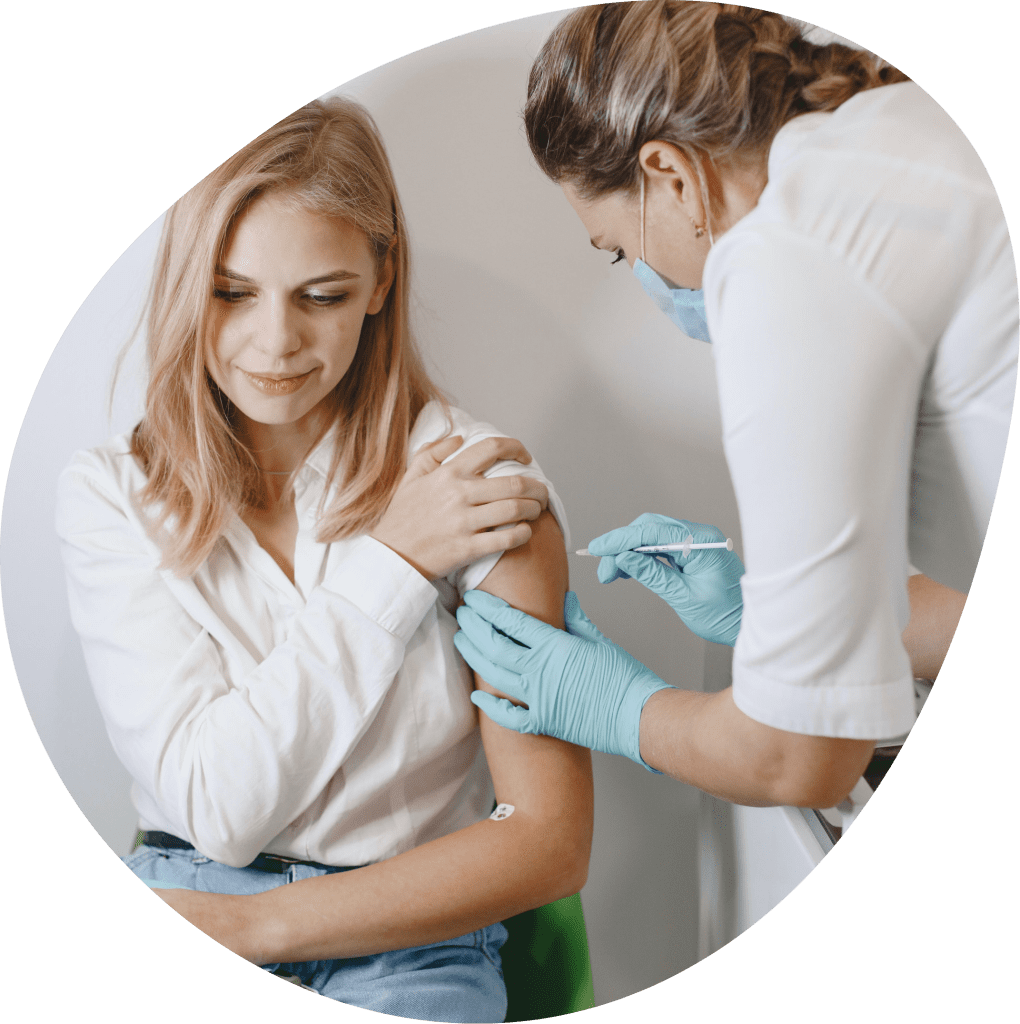
Vaccines are important for several reasons: Prevention of infectious diseases: Vaccines can prevent serious and potentially life-threatening diseases, such as measles, mumps, and whooping cough. Protection of vulnerable populations: Vaccines can protect vulnerable populations, such as the elderly and young children, who may be more susceptible to serious disease. Prevention of outbreaks: Vaccines can prevent outbreaks of infectious diseases, which can have significant economic and social impacts.
Common Vaccines and Immunization Schedules
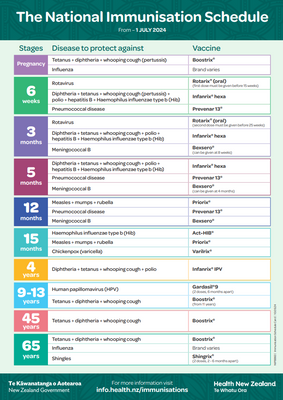
The Centers for Disease Control and Prevention (CDC) recommends a variety of vaccines and immunization schedules for children and adults. Some common vaccines include: DTaP vaccine: Protects against diphtheria, tetanus, and pertussis. MMR vaccine: Protects against measles, mumps, and rubella. Flu vaccine: Protects against influenza. HPV vaccine: Protects against human papillomavirus. Vaccines and immunization are essential tools in the prevention of infectious diseases. By understanding how vaccines work and the different types of vaccines available, individuals can make informed decisions about their health and the health of their loved ones. According to MedlinePlus, vaccines are safe and effective, and have been proven to prevent serious and potentially life-threatening diseases. By staying up-to-date on recommended vaccines and immunization schedules, individuals can protect themselves and their communities from the spread of infectious diseases.For more information on vaccines and immunization, visit MedlinePlus or consult with a healthcare professional.